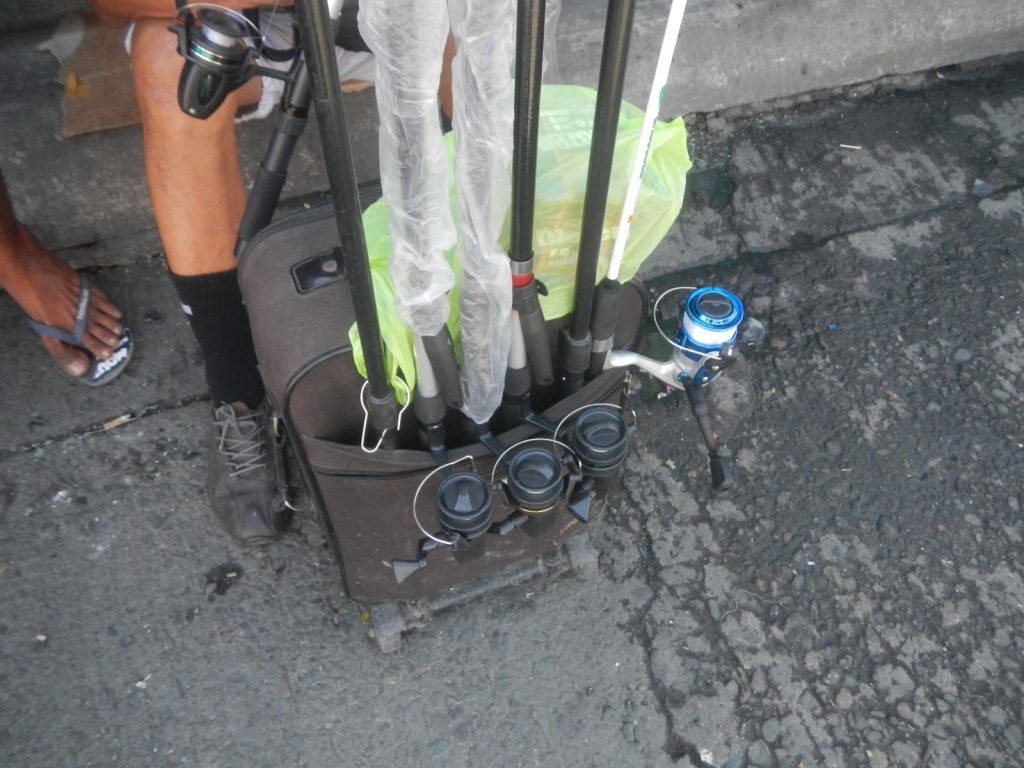
What to look for in fishing pliers and cutters, including braid performance, split-ring tips, corrosion resistance, sheath design, and grip.
Quick answer: This guide explains fishing pliers and line cutters in practical terms, including the key choices, common mistakes, and on-the-water details anglers should understand before the next trip.
Pliers are one of those tools you do not think much about until you need them right now. A hooked fish, wet hands, braid that will not cut, a split ring that will not open. Cheap pliers can handle some of that. Good ones handle it without making the moment worse.
Freshwater vs. saltwater pliers
Freshwater anglers can get years of service from stainless or aluminum pliers if they dry them after use. Saltwater anglers need more corrosion resistance. Aluminum bodies, titanium-coated jaws, replaceable cutters, and regular rinsing matter more around brackish or coastal water.
Jaw length and hook control
Short pliers are compact, but longer jaws give better clearance when removing hooks from toothy fish or deep hook placements. For bass, panfish, and trout, a 6- to 7-inch tool is usually enough. For inshore fishing, longer pliers provide safer reach when handling redfish, speckled trout, bluefish, or fish with trebles.
Cutters need to handle braid
Many cheap pliers cut mono but struggle with braid. If you use braided line, look for tungsten carbide or replaceable side cutters. Dedicated braid scissors are still worth carrying because they make cleaner cuts on limp line, but quality plier cutters are convenient when you need one tool fast.
Split-ring tips are useful but not mandatory
A split-ring nose helps change hooks on crankbaits, spoons, and topwater lures. If you rarely change hardware, standard needle-nose jaws are fine. If you tune lures often or replace trebles with inline singles, split-ring tips save time and fingernails.
Grip, sheath, and lanyard details
Wet hands, slime, sunscreen, and cold weather all make grip important. Textured handles are safer than smooth metal. A sheath keeps pliers accessible, and a coiled lanyard prevents losing them overboard. Kayak and boat anglers should treat the lanyard as required equipment.
What to avoid
- Pliers that flex when you squeeze them.
- Cutters that leave frayed braid.
- Tools with weak springs or loose hinges.
- Saltwater tools with no rinse-and-dry routine.
- Oversized pliers that stay in the truck because they are annoying to carry.
Best practical setup
For most anglers, the best setup is a mid-size corrosion-resistant plier with replaceable cutters, plus a small pair of braid scissors. Keep them in an outside pocket, rinse after dirty or salty trips, and add a drop of light oil to the hinge when needed.
This is not glamorous gear. It is the gear you reach for when something is hooked, tangled, sharp, or stuck. Buy the pair that cuts clean, grips well, and will not rust out after a few wet trips.
Budget pliers and cutters worth trying
If you want backup tools for the tackle bag or a lower-cost first pair, these are sensible Amazon picks.
Booms Fishing Aluminum Pliers
Price:Under $15
Lightweight aluminum pliers with spring jaws and a built-in line cutter—enough for most bank and kayak trips.
- Spring-loaded grip
- Integrated cutter
- Low cost backup pair
Rapala Super Line Scissors
Price:Under $12
Small serrated scissors made for braided and fused lines—worth carrying even if your pliers have cutters.
- Clean braid cuts
- Compact size
- Long-lasting serrations
Barrel Swivel with Snap Pack
Price:Under $8
Quick-change snaps and swivels for crankbaits, spinners, and leader rigs.
- Reduces line twist
- Fast lure swaps
- Cheap to replace
As an Amazon Associate we earn from qualifying purchases.
Editor Note
Gear mentions and recommendations are independently evaluated from specifications, public product information, pricing, use-case fit, and upgrade paths unless a specific article states direct product experience.
More From The Hub
Best Early Fall Bass Lures: What to Throw as the Water Cools
Choose early fall bass lures by water clarity, wind, cover, bait depth, and fish activity with a practical seven-lure decision system.
Read More
Fall Bass Fishing Transition: How to Find Bass in September
A practical September search plan for following bait, connecting summer areas to fall feeding zones, and adjusting to wind, fronts, and turnover.
Read More
Early Summer Bass Fishing: 7 Proven Tips for More Bites
Catch more bass in early summer with seven practical tips for timing, locations, lure choices, shade, bluegill beds, and deeper midday patterns.
Read More