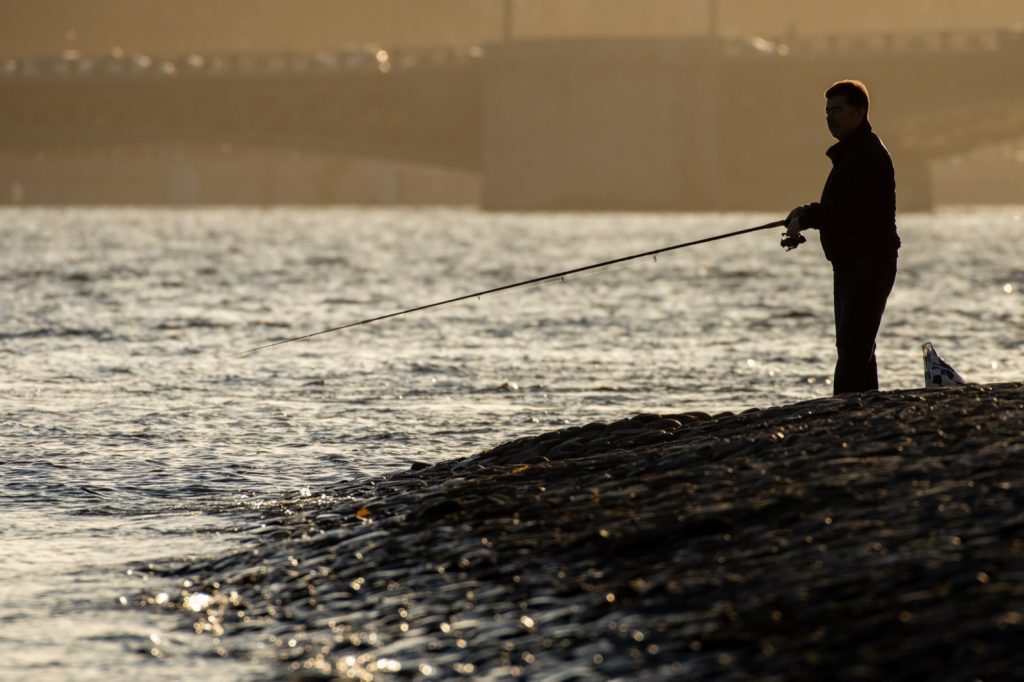
Rain can move fish shallow, muddy up good banks, and create short feeding windows. Here is how to read runoff, mud lines, cover, and bait choice after a storm.
Quick answer: If you want to know how to fish after hard rain, start by checking water color, runoff current, bait movement, and nearby cover before choosing a louder or slower presentation.
A hard rain can make a familiar lake look like somebody shook it in a bucket. The water gets stained, the bank is slick, little creeks start pushing mud, and the fish do not always sit where they did the day before. That is the part that trips anglers up. Rain does not automatically make fishing bad. It just moves the clues around.
The trick is to quit fishing yesterday’s pattern and start looking for what the rain changed. Sometimes that means finding cleaner water. Sometimes it means putting a bait right in the dirty water where food is washing in. Most days, the best spot is not the whole lake. It is a short stretch where runoff, current, cover, and bait all meet.
Start with what the rain actually did
Not every rain fishes the same. A steady warm rain in early summer is different from a cold storm that drops the water temperature overnight. Before tying on a bait, look at three things: water color, water level, and water temperature.
If the lake only came up a little and picked up a light stain, fish may slide shallower and feed around fresh cover. If the water jumped a foot and turned chocolate, you may need to find the clearest water available or fish tight to hard cover where bass and panfish can pin food. If the rain was cold, especially after a warm spell, slow down and look for protected banks that did not take the full hit.
This is the same kind of observation that helps on new water. If you have not read it yet, the guide on how to pick a fishing spot on a lake you have never fished is built around that same idea: look first, cast second.
Runoff is not just dirty water
Runoff carries bugs, worms, small bait, warmer or cooler water, and a little bit of current. Fish notice that. A culvert, ditch, small creek, drain, or even a low spot in a bank can turn into a feeding lane after rain. The mistake is standing right on top of it and throwing straight into the muddiest part over and over.
Instead, fish the edges. Look for the line where muddy water meets clearer water. Cast across it, along it, and just outside it. Predators often sit where they can see better and let the current bring food to them. If there is wood, grass, rock, or a dock post on that edge, give it extra time.
Fish tighter to cover when visibility drops
Stained water shortens the strike zone. A fish that might move six feet in clear water may only move a foot or two when the water is dirty. That means your casts need to be more accurate. Bump the stump. Tick the grass. Bring the bait close to the dock post instead of somewhere near the dock.
This is where simple tackle helps. A medium spinning setup, a few confidence baits, and fresh line will do more good than dragging every box you own down the bank. If you are still building that base, the simple freshwater fishing setup guide keeps things practical.
Pick baits fish can find
After rain, especially in stained water, I want a bait that gives fish a fair chance to track it down. That does not mean everything has to be loud and wild. It means the bait needs either vibration, flash, scent, profile, or a slow enough presentation that a fish can get a bead on it.
Booyah Pond Magic Spinnerbait
Price:Under $8
Compact spinnerbait sized for ponds, kayaks, and stained water—good for wind and shallow cover.
- Small profile
- Bright blade options
- Budget-friendly moving bait
- Spinnerbait: good around shallow wood, grass edges, and wind-blown banks. White, chartreuse-white, or a darker skirt can all work depending on water color.
- Chatterbait or bladed jig: a strong choice when fish are around grass, laydowns, or shallow flats with a little stain.
- Squarebill crankbait: useful around rock, riprap, and wood because deflection can trigger bites.
- Texas-rigged worm or creature bait: slower, but reliable when fish tuck tight to cover after a front.
- Small jig or beetle spin: good for panfish and creek mouths when the bite is not just about bass.
Keep colors simple. In light stain, natural green pumpkin, shad, and bluegill patterns still work. In heavier stain, black and blue, chartreuse, white, or baits with a little orange can stand out better. Do not change colors every five casts. Change when the water color or the fish’s response gives you a reason.
Do not ignore the wind
Rain often comes with wind, and wind stacks bait. If a wind-blown bank also has stained water, rock, grass, or a drain nearby, it is worth a few casts even if it looks a little rough. The surface chop hides you, pushes food, and gives moving baits a more natural feel.
The only time I back off is when the wind makes boat control unsafe or turns kayak fishing into a wrestling match. No fish is worth getting sideways in bad conditions. Bank anglers should also watch footing after rain. Wet clay, riprap, and grass can put you down fast.
Where to start from the bank
If you are bank fishing after a rain, start with access points that give you several options without a long walk. Bridges, park ponds with drains, riprap banks, small creek arms, and areas near culverts are all good starting points. Make a few casts parallel to the bank before throwing as far as you can. A lot of fish move shallow when fresh water starts pushing food along the edge.
Work from shallow to deep. Hit the close cover first, then fan cast. If the water is muddy, slow down beside anything solid. If it is only stained and there is wind, cover water with a moving bait until something shows itself.
When the bite gets worse after rain
Sometimes rain makes fishing tougher. A cold runoff can shut down a shallow bite. Heavy mud can push fish out of an area. A fast-rising lake can scatter them into flooded bushes, parking-lot grass, and places that are hard to reach. When that happens, simplify the search.
Look for stability. Clearer water near the dam, protected coves, deeper docks, rock banks, and the first break outside a muddy pocket can all hold fish that do not want to fight the mess. If you get one bite, slow down and pick that stretch apart. After a storm, one little clean pocket can be better than a mile of pretty-looking bank.
A simple after-rain game plan
- Check water color and temperature before choosing a bait.
- Find runoff, drains, creek mouths, wind-blown banks, or mud lines.
- Fish the edges of dirty water before fishing the middle of it.
- Use baits with vibration, flash, or a strong profile.
- Put casts tight to cover because the strike zone is smaller.
- If the water is too muddy or cold, search for the most stable water nearby.
You do not need a perfect pattern to catch fish after rain. You just need to pay attention to what changed and make each cast count. Rain moves food, color, current, and fish position. Follow those changes, and a messy-looking day can turn into one of the better bites of the week.
If you are putting together a small kit for days like this, keep it basic: pliers, spare hooks, weights, a couple moving baits, a soft-plastic box, and something for line cuts. The beginner tackle box essentials list is a good place to trim the extra junk.
Budget gear for post-rain fishing
These affordable picks match the tactics above—moving baits, soft plastics, and basic rigging without overspending.
Booyah Pond Magic Spinnerbait
Price:Under $8
Compact spinnerbait sized for ponds, kayaks, and stained water—good for wind and shallow cover.
- Small profile
- Bright blade options
- Budget-friendly moving bait
YUM Dinger Soft Stick Baits
Price:Under $8
Versatile stick worms for wacky rigs, Texas rigs, and weightless presentations in most lake colors.
- Proven bass bait
- Multiple colors
- High value per pack
Seaguar Red Label Fluorocarbon
Price:Under $12
Short leader spool for tying off braid or mono when you want less visibility subsurface.
- Low visibility
- Abrasion resistant
- Standard leader material
Booms Fishing Aluminum Pliers
Price:Under $15
Lightweight aluminum pliers with spring jaws and a built-in line cutter—enough for most bank and kayak trips.
- Spring-loaded grip
- Integrated cutter
- Low cost backup pair
As an Amazon Associate we earn from qualifying purchases.
Editor Note
Gear mentions and recommendations are independently evaluated from specifications, public product information, pricing, use-case fit, and upgrade paths unless a specific article states direct product experience.
More From The Hub
Best Early Fall Bass Lures: What to Throw as the Water Cools
Choose early fall bass lures by water clarity, wind, cover, bait depth, and fish activity with a practical seven-lure decision system.
Read More
Fall Bass Fishing Transition: How to Find Bass in September
A practical September search plan for following bait, connecting summer areas to fall feeding zones, and adjusting to wind, fronts, and turnover.
Read More
Early Summer Bass Fishing: 7 Proven Tips for More Bites
Catch more bass in early summer with seven practical tips for timing, locations, lure choices, shade, bluegill beds, and deeper midday patterns.
Read More