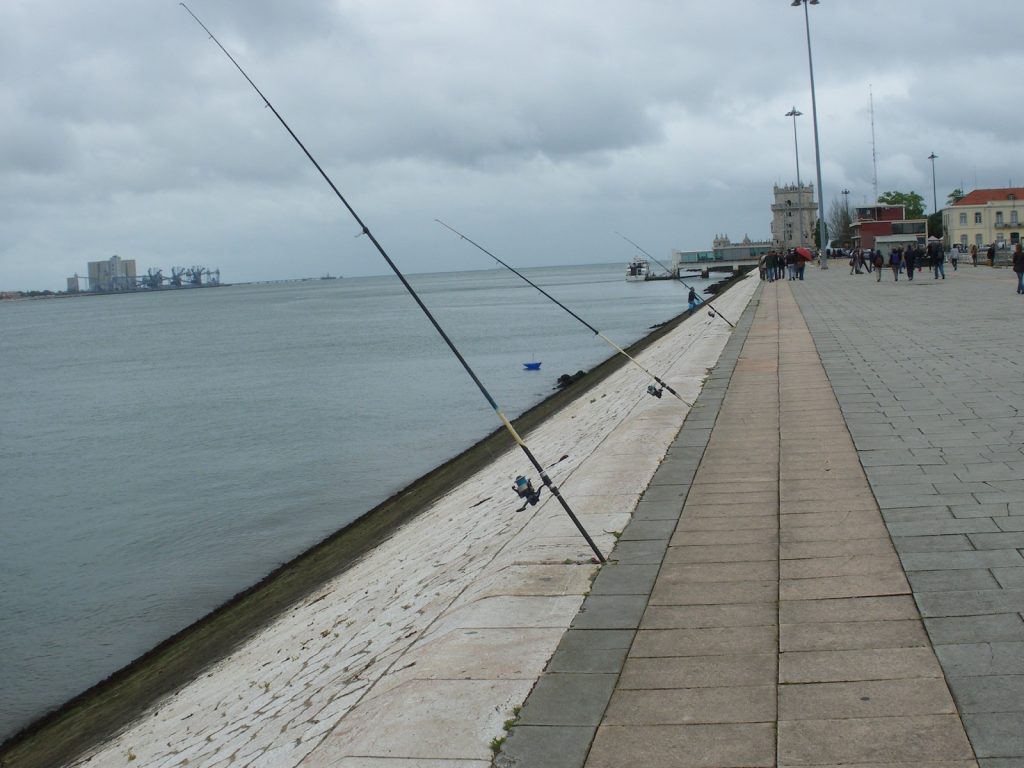
Build one versatile beginner freshwater spinning setup with the right rod, reel, line, lures, drag, knots, and pre-trip checklist.
You can make freshwater gear complicated fast. You do not need to. For ponds, creeks, small rivers, and lakes, one decent spinning combo will handle most of the fishing a beginner is actually going to do.
The best all-around freshwater rod
A 6-foot-6 to 7-foot medium-light or medium spinning rod is the safest starting point. Medium-light is excellent for panfish, trout, finesse bass, and small jigs. Medium power gives more control around grass, docks, and larger bass. If you only want one rod, choose a 7-foot medium fast-action spinning rod.
Choose a 2500-size spinning reel
A 2500-size reel balances well on most freshwater rods. It holds enough line, casts light lures cleanly, and has a drag system suitable for common freshwater species. Look for smooth drag, a comfortable handle, and a spool that lays line evenly. You do not need a premium reel to start, but avoid the cheapest options that feel rough or loose out of the box.
Line choice: keep it simple
For most beginners, 8-pound monofilament is the easiest starting line. It is affordable, knots well, and has enough stretch to protect against sudden runs. If you want better sensitivity, spool 10-pound braid with a 6- to 10-pound fluorocarbon leader. Braid casts well and lasts longer, but it requires clean knots and a leader in clear water.
Three lure setups that cover most water
- Jighead and grub: cast it, let it sink, and swim it back slowly. This catches panfish, bass, trout, and walleye.
- Soft stick bait: rig it weightless or wacky style around docks, grass edges, and shallow cover.
- Small crankbait or inline spinner: use it to search open banks, riprap, creek mouths, and points.
Match lure weight to the rod
Check the lure rating printed near the rod handle. Casting lures that are too heavy can overload the blank. Lures that are too light will not cast well. Most beginner freshwater setups perform best with lures from about 1/8 to 3/8 ounce.
Adjust for your main target
If you mostly fish bluegill and trout, lean lighter with 4- to 6-pound line and smaller hooks. If you mostly fish bass around cover, use medium power, 8- to 12-pound line, and stronger hooks. For rivers, consider slightly heavier line because current, rocks, and snags punish weak setups.
Do not overlook drag and knots
Before fishing, set the drag so line pulls out smoothly under pressure. A locked-down drag breaks light line and tears small hooks free. Practice two knots: the improved clinch knot for basic lures and the Palomar knot for braid-friendly strength.
Start with one setup and learn it well. Once you know how it casts, how the drag feels, and which lures you trust, upgrades get a lot easier to judge.
Budget freshwater setup picks
Starter combos and line that cover most pond and lake trips without a big upfront spend.
Ugly Stik GX2 Spinning Combo
Price:Under $60
Durable medium-power spinning combo that covers most beginner pond and lake fishing.
- Tough blank
- Pre-matched reel
- All-in-one starter value
Berkley Trilene XL Mono 8 lb
Price:Under $12
Forgiving monofilament for beginners, topwater, and light spinning applications.
- Easy to knot
- Low cost
- Forgiving stretch
Booyah Pond Magic Spinnerbait
Price:Under $8
Compact spinnerbait sized for ponds, kayaks, and stained water—good for wind and shallow cover.
- Small profile
- Bright blade options
- Budget-friendly moving bait
YUM Dinger Soft Stick Baits
Price:Under $8
Versatile stick worms for wacky rigs, Texas rigs, and weightless presentations in most lake colors.
- Proven bass bait
- Multiple colors
- High value per pack
As an Amazon Associate we earn from qualifying purchases.
Build out your beginner setup
Use these related Anglers Hub guides to keep building the same skill set:
Editor Note
Gear mentions and recommendations are independently evaluated from specifications, public product information, pricing, use-case fit, and upgrade paths unless a specific article states direct product experience.
More From The Hub
How to Read Side Imaging for Bass
Learn how returns, acoustic shadows, range, frequency, speed, and transducer setup affect what bass, baitfish, brush, rock, and grass look like.
Read More
Fall Bass Fishing Transition: How to Find Bass in September
A practical September search plan for following bait, connecting summer areas to fall feeding zones, and adjusting to wind, fronts, and turnover.
Read More
Early Summer Bass Fishing: 7 Proven Tips for More Bites
Catch more bass in early summer with seven practical tips for timing, locations, lure choices, shade, bluegill beds, and deeper midday patterns.
Read More